
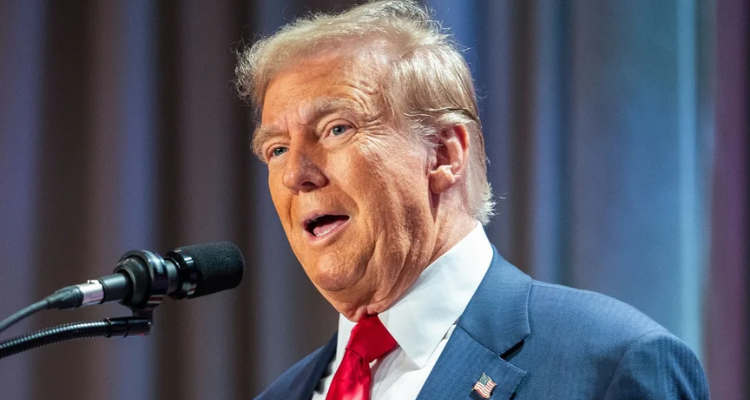
With the return of Donald Trump to the presidency and a Congress led by the Republicans, significant changes are being proposed to the Supplemental Nutrition Assistance Program (SNAP), known as the food stamp program. These proposals, aimed at reducing what the Republican Party calls "excessive government spending", could have a significant impact on millions of beneficiaries and the United States budget deficit.
Among the measures under discussion, three main changes stand out:
While these proposals aim to reduce the deficit by billions of dollars, they have also raised concerns about their potential impact on low-income voters who rely on these benefits to meet their food needs. The feasibility and acceptance of these measures remain to be seen, especially given their possible unpopularity among broad sectors of the population.
In addition to these reforms, experts are analyzing how the policies of the new administration could influence the overall cost of food, a crucial aspect for the most vulnerable households. The future of SNAP and its beneficiaries will be a central topic in political debates this year.