With a partial government shutdown looming, House leaders are negotiating a proposal that would provide additional nutrition assistance to new moms and young children, addressing a crucial sticking point in federal funding negotiations. However, the potential deal is already facing criticism for the trade-off it would entail: a pilot program that would limit the items that food stamp participants could purchase.
This comes at a time when the WIC program faces a $1 billion shortfall, which could affect an estimated 2 million people. The Biden administration is seeking an additional $1 billion to address this budget gap.
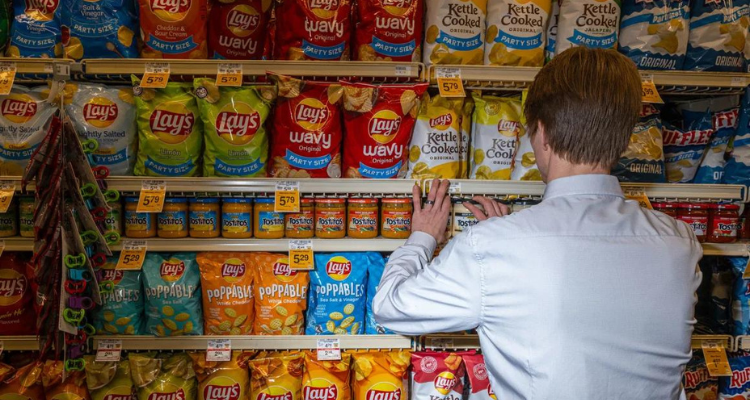
In exchange for more WIC support, Rep. Andy Harris is pushing a pilot SNAP choice initiative that would allow recipients to purchase only nutrient-rich items. This could eliminate foods such as soda, candy and certain snacks. Negotiations are ongoing, but the future of the deal remains uncertain, with possible repercussions for a partial government shutdown if consensus is not reached before the deadline.
The proposal to implement a pilot program that would limit the items that food stamp participants could purchase is generating a number of opposition mounts. Both advocates of WIC, formally known as the Special Supplemental Nutrition Program for Women, Infants and Children, and food industry groups are voicing their disagreement with this initiative, as it could have a significant impact on beneficiaries.
Georgia Machell, interim executive director of the National WIC Association, emphasized the need to put aside political bickering and focus on the well-being of families affected by these decisions. "Congress needs to eliminate partisan games and stop betting on the well-being of families. The time for political distractions is over," according to Machell.
On the other hand, the National Retailers Association expressed its concern in a letter to congressional leaders. They noted that restricting eligible items would increase food costs and add unnecessary bureaucratic burden to the program. In addition, they warned about the role grocery store cashiers would have to play, becoming "food cops."
Also, several groups, including the snack industry trade association, anti-hunger groups, and food and beverage industry organizations, expressed concern about the potential complications that would arise from managing a list of SNAP-eligible foods.
Despite the criticism, some former USDA secretaries suggested that the SNAP program should focus more on nutrition. Dan Glickman, former Secretary of Agriculture during the Clinton administration, emphasized the importance of providing choices and education focused on improved nutritional quality. Ann Veneman, Secretary of Agriculture during the George W. Bush administration, suggested that SNAP should follow the more restrictive WIC model for better health outcomes and lower health care costs.