
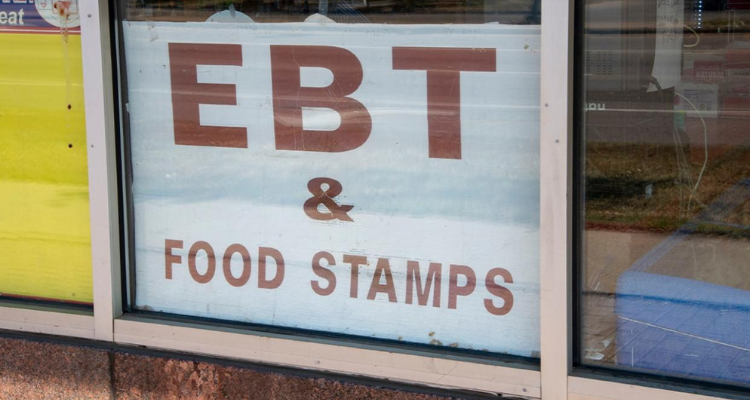
The SNAP program, which has historically provided funds to buy food for low-income households, could be expanded across Minnesota to cover medical expenses under a new proposal being considered by lawmakers. The goal is to provide a $175 monthly benefit along with assistance for medical or behavioral health assessments for participants at risk of losing federal SNAP benefits. According to Keeler, SNAP can be considered a form of medical that goes beyond food assistance for children and families.
The bill addresses the crisis of mental health professional shortages and other unmet needs of homeless adults in Minnesota. To be eligible, participants must be between the ages of 18 and 54, be enrolled in medical assistance or MinnesotaCare, and meet SNAP eligibility requirements.
In addition, county or tribal agencies must conduct assessments to determine whether the loss of SNAP benefits could be explained by illness, injury, addiction, disability, or homelessness, and help participants obtain the necessary assessments to meet federal requirements.
While awaiting assessment, the person will be immediately included in the SNAP drug program to avoid any interruption in access to food resources. If the person is determined to be eligible for federal benefits, he or she will exit the SNAP drug program to join the federal plan. A budget has not yet been allocated to cover the costs of the program.
Under federal regulations, an eligible able-bodied adult between the ages of 18 and 52 with no dependents can receive food support for three months in a 36-month period, unless they are exempt from the time limit or meet monthly work requirements. After this period, they must earn additional months of eligibility by working at least 80 hours per month or participating in employment and training activities.
In addition to covering medical expenses, the proposal would also suspend the termination of federal food assistance for eligible individuals for two years, from July 1, 2024, through July 1, 2026. The health commissioner would monitor the effectiveness of the program and report to the appropriate legislative committees by January 1, 2027.
The House Children and Families Policy and Finance Committee approved the bill Tuesday and referred it to the House Health Policy and Finance Committee for additional discussion.
It still must go through several steps before Minnesota Governor Tim Walz signs it into law.