Given the magnitude of the Supplemental Nutrition Assistance Program (SNAP), some degree of abuse is common. In an effort to address this situation, some members of Congress have proposed a pilot program.
This initiative seeks to limit the purchase of foods to those considered 'nutrient dense' and prohibit the use of SNAP funds to purchase some products such as snacks, candy, and soft drinks.
Every federal farm bill includes the SNAP program, commonly known as food stamps. This is the nation's largest food assistance program, its goal is to provide assistance to low-income families so they can purchase essential food items.
With the current pro-regulation system of government, it is increasingly important to support free-market, pro-growth policies to prevent the economy from being unduly harmed. One example of what needs to be combated is the push by some federal lawmakers to further regulate small businesses, from grocery stores to convenience stores.
SNAP beneficiaries use their benefits at approximately 248,000 retailers, which include large supermarket chains across the country. However, the majority of SNAP authorized retailers, approximately 80%, are smaller establishments, such as local grocery stores, convenience stores, dairies, butcher shops, bakeries and farm stands.
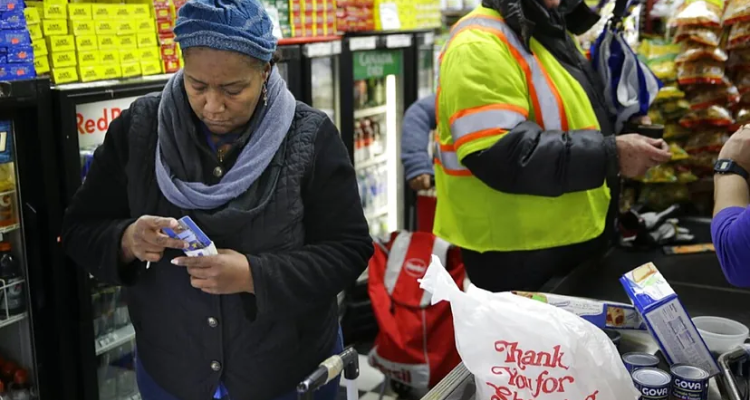
But here's the rub, the new pilot program that aims to regulate SNAP recipients purchases and limit them to those foods that are 'nutrient dense.' "This rule would force small businesses, including grocery stores, to decipher what should go in and out of a SNAP beneficiary's shopping cart, effectively turning cashiers into the new grocery police," explains Palmer Schoening, president of the Family Business Coalition in Washington, D.C.
In response, the National Grocers Association, along with 2,472 businesses and trade associations, sent a letter asking congressional leaders to oppose the SNAP pilot program. "Grocery store cashiers will become the food police, telling parents what they can and cannot feed their families," they explained in the letter.
The implementation of this program will not only higher food prices, but will also put additional hurdles in the way of thousands of small businesses by subjecting them to an additional burden of red tape.
In addition, the government would have to begin categorizing more than 600,000 products and update the growing list annually. Would whole milk be considered healthy? What about dark chocolate or diet sodas? Could a SNAP mother buy lead towhite bread, peanut butter and jelly for her children's lunches? The list of questions presents a host of issues that add more hurdles for businesses.
Small businesses do not need more regulations. Elected officials should carefully consider the impact on small businesses before moving forward with this program.