
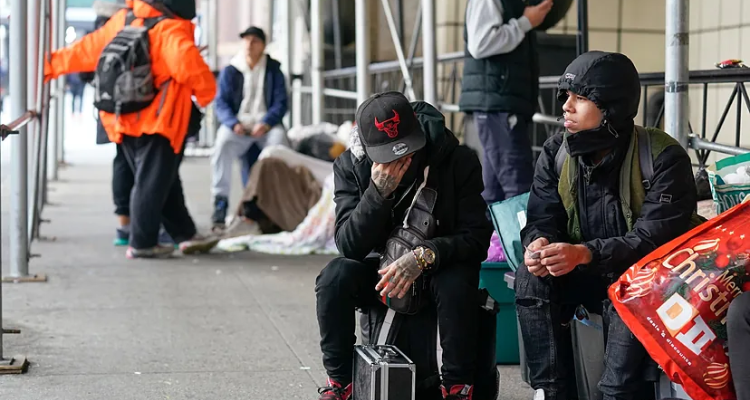
The level of scrutiny on the arrival of people to the United States has increased significantly due to recent waves of individuals seeking opportunity. Among the nations affected are Haiti, Ukraine, Palestine, Guatemala, El Salvador, Honduras and other countries with socioeconomic or political difficulties.
Amid the influx of unauthorized arrivals, residents and migrants alike are concerned about the future of welfare programs. This is because some unauthorized migrants have begun accessing assistance programs designed for legal migrants and even U.S. citizens in need. Those who have concerns or doubts about this have every right to raise questions about it.
One of the programs about which there are questions is the Federal Food Stamp Program, which began in 1993 and eventually became the Supplemental Nutrition Assistance Program (SNAP). This has arguably become the primary food safety net in the United States.
Each year, more than 21.5 million low-income households receive assistance from this program. However, there is interest in determining whether SNAP benefits or food stamps are being used by unauthorized migrants. This program provides protection for seniors, young children, single parents and married couples, as well as veterans, people with disabilities and others. But the question arises: what about those who are not authorized to reside in the country?
According to Federal Bureau of Immigration regulations, green card holders are eligible for SNAP benefits. Even people married to an unauthorized migrant may qualify for the program, regardless of their spouse's status. However, Dreamers, children who came to the country illegally and are seeking citizenship, are not eligible for SNAP. It is important to note that the USDA has never extended SNAP eligibility to unauthorized migrants, although other lawfully present non-citizens may apply for the program.