The Supplemental Nutrition Assistance Program (SNAP), managed by the U.S. Department of Agriculture (USDA), provides a crucial food safety net for millions of low-income individuals, including certain non-citizen immigrants. This federal program allows beneficiaries to purchase essential food items using Electronic Benefits Transfer (EBT) cards, which function like debit cards.
While SNAP supports approximately 42 million people in the United States, not all non-citizen immigrants are eligible to receive these benefits. Non-citizens who are legally present in the country may apply for food stamps, whereas undocumented immigrants, as well as students and tourists, do not qualify.
There are specific groups of non-citizens who are immediately eligible for SNAP, provided they meet the program’s financial and non-financial criteria. These groups include:
However, certain immigrants, such as Lawful Permanent Residents (LPRs), those granted parole for at least one year, and battered non-citizens, must complete a five-year waiting period before they can apply for SNAP.
Not all immigrants in the aforementioned categories must wait five years to access benefits. Exceptions include:
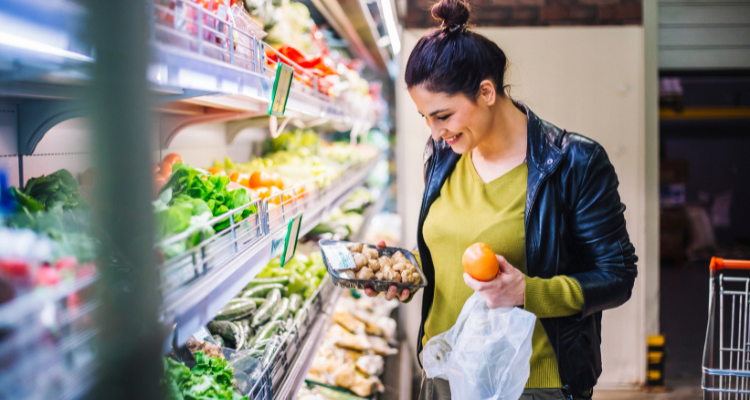
SNAP benefits can be used to purchase most food items, including fruits, vegetables, dairy products, meats, and non-alcoholic beverages. However, they cannot be used to buy non-food items, alcohol, tobacco, vitamins, supplements, prepared hot foods, or restaurant meals, except in specific cases for elderly or disabled individuals.
SNAP remains a vital resource to ensure that low-income families, including those with immigrant members, have access to proper nutrition in times of need.