The Supplemental Nutrition Assistance Program (SNAP), administered by the U.S. Department of Agriculture (USDA) and implemented in Florida by the Department of Children and Families (DCF), is an essential source of food support for millions of low-income households. In November, payments are distributed between the 1st and 28th, following a specific schedule based on beneficiary case numbers.
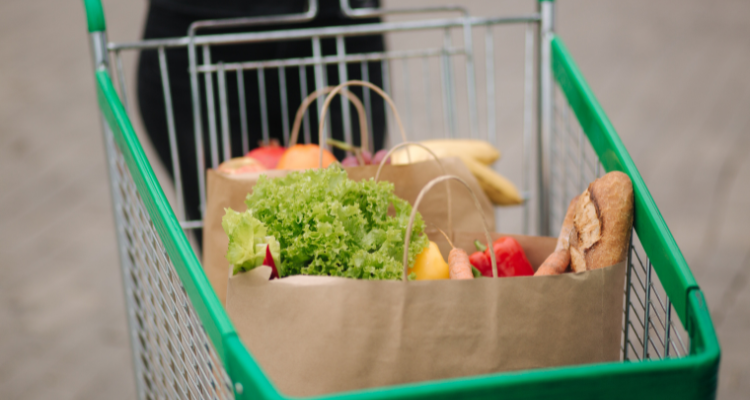
Payments are loaded monthly onto Electronic Benefit Transfer (EBT) cards, which allow the purchase of essential foods such as fruits, vegetables, proteins and cereals to ensure a balanced diet. However, it is prohibited to use them to purchase non-food items, prepared foods, alcohol or tobacco. Violations of these rules may result in sanctions, including suspension of the benefit.
The distribution schedule in Florida is based on the last two digits of the case number, read backwards and excluding the tenth digit. This week, payments are scheduled as follows:
This staggered method seeks to ensure a smooth and efficient distribution process.
SNAP, formerly known as food stamps, supports more than 42 million Americans, providing a safety net against food insecurity. In Florida, this benefit enables thousands of families to access nutritious food, strengthening the health of the most vulnerable households and promoting balanced consumption to prevent health problems related to poor nutrition.
If you are a SNAP beneficiary, check your case number to confirm the date of your next deposit and be sure to follow the usage guidelines to avoid inconveniences.